WED 07 OCTMorning4:57 PM

Back to the brief

SCINASA

NASA’s PRIMA Spacecraft (Artist’s Concept)
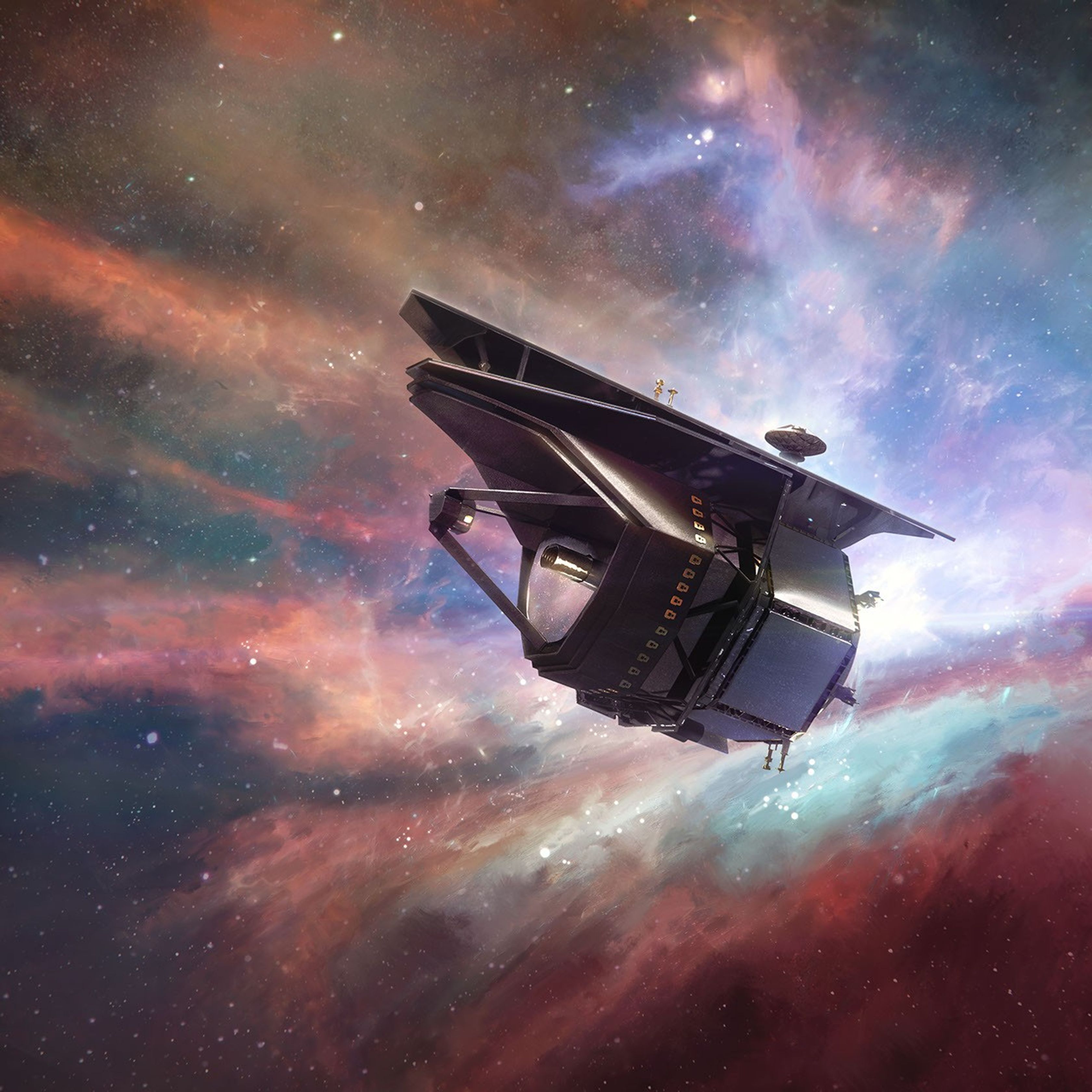
Photo: NASA

Description This artist’s concept depicts the proposed design for NASA’s PRobe far-Infrared Mission for Astrophysics (PRIMA), which was selected by the agency in September 2026. The PRIMA observatory is the first in a new class of NASA astrophysics missions, called Probe Explorers, within the agency’s longstanding Explorers Program. By observing far-infrared light, PRIMA will enable scientists to study cosmic […]

Read the original report

Opens NASA in a new tab

SCINASA

NASA Sets Coverage for SpaceX 35th Station Resupply Launch, Arrival

NASA and SpaceX are targeting 6:33 a.m. EDT, Tuesday, Oct. 13, for the next launch to deliver science investigations, supplies, and equipment, including the final set of International Space Station Roll-Out Solar Arrays, to the space station. This is the 35th SpaceX commercial resupply services mission to the orbital complex for NASA. NASA also will host a media teleconference on Thursday, Oct. 8 that will preview the cargo resupply flight, as well as provide a post-splashdown update for the agency’s SpaceX Crew-12 mission, which will have returned to Earth from the space station Thursday morning.

SCINASA

NASA’s Curiosity Looks Back After Reaching Elevation Milestone

A sand ridge extends across the foreground of the image, and a trench left by the rover’s right front wheel is visible at right. Geologic layering inside the ridge, as well as the size and composition of its sand grains, will provide clues to how the feature formed. This panorama is made up of 95 individual images taken by Curiosity’s Mast Camera, or Mastcam. The color in these images has been adjusted to match the lighting conditions as the human eye would see them on Earth.

SCIScienceDaily

NASA’s Webb finds signs of Mars-sized worlds smashing together

That ancient impact dramatically altered Earth. Now, astronomers are using NASA's James Webb Space Telescope to investigate young star systems that appear to be experiencing similarly violent events. By studying these systems, researchers can estimate how energetic the collisions were and learn more about how rocky planets form and evolve. The material surrounding a star changes significantly over time. Young stars begin with a juvenile, gas-rich protoplanetary disk where forming planets can reside. As the system matures, that environment develops into a gas-poor debris disk.