TUE 06 OCTEvening8:59 PM

Back to the brief

SCINASA

Lunar Grounding Challenge
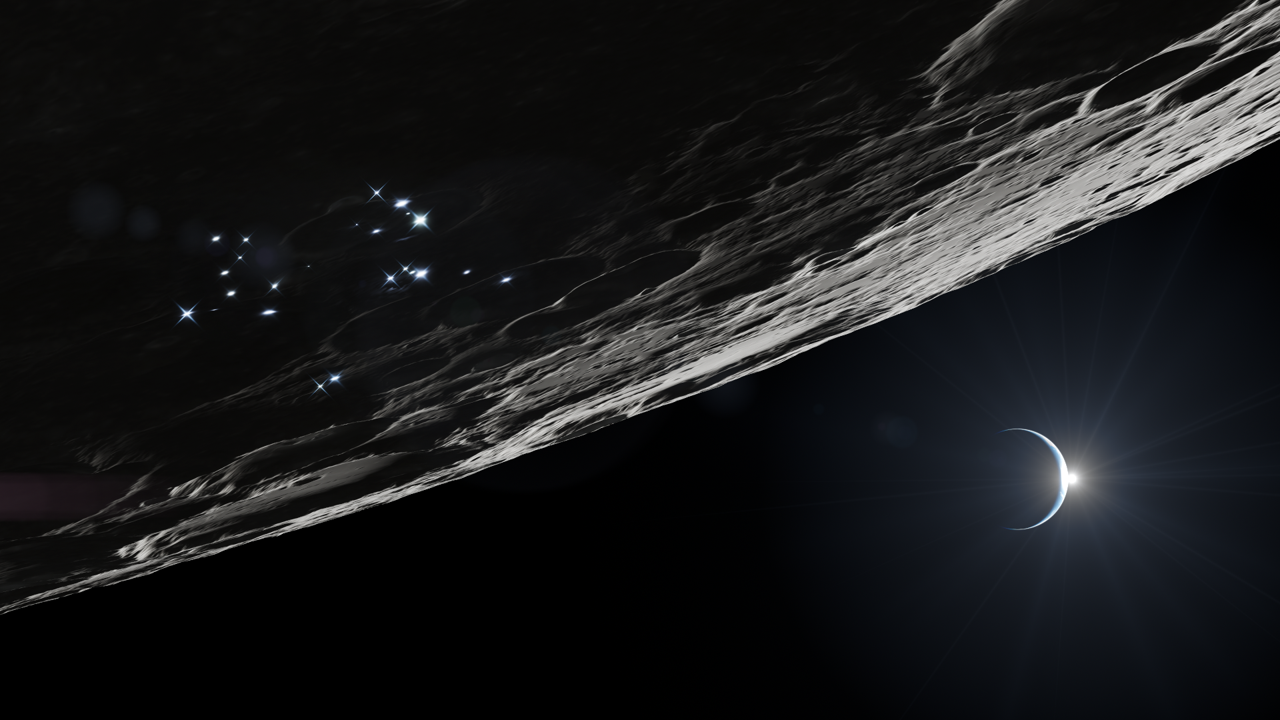
Photo: NASA

The risk occurs when an astronaut returns to the spacecraft. Because the lunar surface lacks a natural environmental mechanism to bleed the charge accumulated on spacesuit away, the astronaut may become a walking, high voltage capacitor.

For more information, visit: https://work.crowdplat.com/challenge/lunar-grounding-challenge

National Aeronautics and Space Administration NASA explores the unknown in air and space, innovates for the benefit of humanity, and inspires the world through discovery.

Read the original report

Opens NASA in a new tab

SCINASA

NASA Glenn Invites Phase 1 Proposals for Aerospace Power Systems Laboratory

NASA’s Glenn Research Center in Cleveland is seeking Phase 1 proposals for the design and construction of the Aerospace Power Systems Laboratory. The principal purpose of this procurement is to deliver a laboratory facility to support the testing and development of power systems, with associated site work, infrastructure, and systems. The laboratory will provide modern test facilities to advance power research and enable NASA to meet current and future mission needs. Glenn’s expertise in power is crucial to the Artemis program , the Moon Base , and the exploration of Mars and beyond.

SCINASA

Astronomers Solve Cosmic Cold Case with NASA Hubble Data

Diligent sleuthing by astronomers uncovered a surprising chemical clue that indicates the white dwarf star HS 0209+0832 may host a second-generation planet. This artist’s concept released on Oct. 5, 2026, depicts that possible explanation. The white dwarf is the “dead” core of a star that burned through all of its nuclear fuel and lost its outer envelope of gas and dust to space. The second-generation planet formed from that cast-off gas and dust, which is why its chemical content is very different from a planet that formed as its host star was forming.