MON 19 OCTMorning2:25 PM

Back to the brief

SCINASA

NASA’s Simulated Mars Crew Marks One Year Inside Habitat
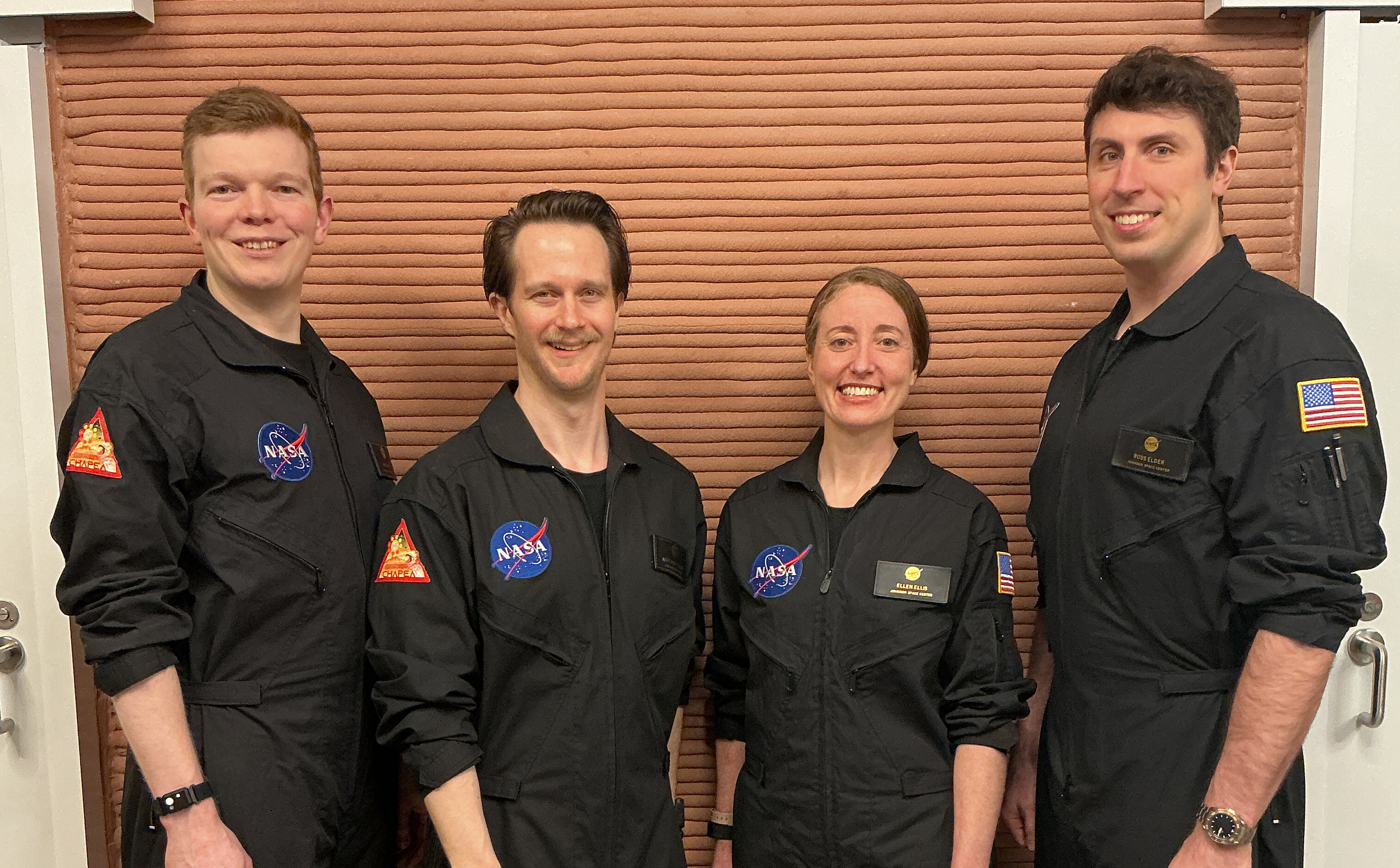
Photo: NASA

“We are extremely proud of the crew for their commitment and achievements over the last year on such a fast-paced, highly demanding mission,” said Grace Douglas, CHAPEA principal investigator. “The entire CHAPEA team is excited to congratulate the crew in person.”

The crew will exit their habitat on Saturday, Oct. 31, to conclude their mission. They will have a chance to reconnect with their families, who they’ve only spoken with via email over the course of their mission with a Mars-like communication delay. The crew will then begin two weeks of post-mission evaluations and debriefs with NASA scientists.

Read the original report

Opens NASA in a new tab

SCIScienceDaily

Alaska’s monster tsunami sent water 1,580 feet up a mountain

A massive landslide in Alaska triggered the second-highest tsunami ever recorded, sending water and debris 1,580 feet up a mountainside just hours after tourists visited the area. Scientists discovered that the disaster was preceded by several warning signs, including rapid glacier retreat, heavy rainfall, and thousands of tiny seismic tremors. As glaciers retreat, similar disasters could become a growing danger in mountainous coastal regions.

SCIScienceDaily

Just 3,000 steps a day may help slow Alzheimer's, scientists find

Walking just 3,000 steps a day could help slow Alzheimer’s-related brain changes, according to new research. Scientists discovered that physical activity was linked to less buildup of harmful tau proteins and nearly half the cognitive and functional decline, even in people already showing early signs of the disease. The strongest benefits appeared at 5,000 to 7,500 daily steps, suggesting that the popular 10,000-step goal may not be necessary.