THU 15 OCTMorning2:51 PM

Back to the brief

SCINASA

NASA Satellites Observe Historic 2026 El Niño
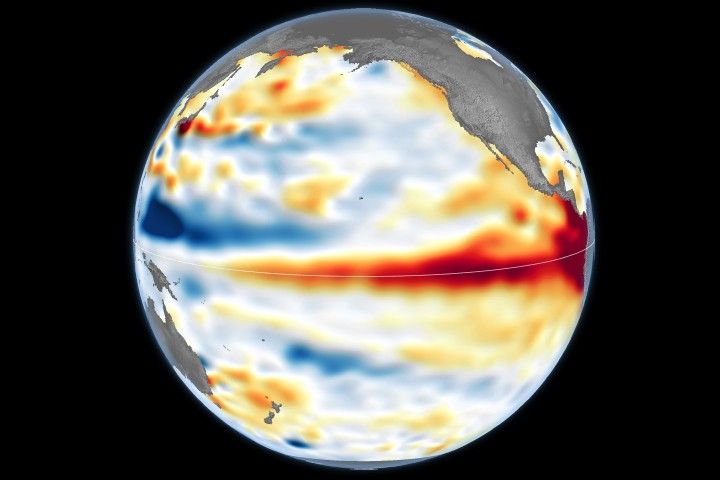
Photo: NASA

A phenomenon rarer than a solar eclipse and more powerful than any single storm system is unfolding this fall, and NASA is tracking it closely.

El Niño is a natural climate pattern that emerges roughly every two to seven years marked by warmer-than-normal water temperatures in parts of the equatorial Pacific. NASA scientists are keeping watch as it flips trade winds, redistributes ocean heat, scrambles rain patterns, and raises sea surface height across parts of the Pacific.

Read the original report

Opens NASA in a new tab

SCINASA

Power Up: Roll Out Solar Arrays Boost Space Station Power Supply

In 2017, a technology demonstration conducted aboard the space station tested the effectiveness of the arrays . The lightweight, compact design launches as a cylinder and unfurls like a yoga mat after installation. This advanced design reduces mass and volume at launch and uses an autonomous, self-deploying system that minimizes risks during rollout. The technology is also scalable to meet mission requirements. The IROSAs are about half the size of the station’s legacy arrays. Despite being smaller, the arrays are capable of producing about 28 kilowatts of additional power.